Source Montessori Wooden Screw Busy Board for Early Learning
Find and compare 30 montessori wooden screw busy board options from verified Chinese manufacturers. Evaluate models like YPC-04288 and TH942 for safe, colorful early childhood development tools suitable for unisex play and OEM customization; compare the available evidence and request quotations based on your requirements.
Key considerations
Products List


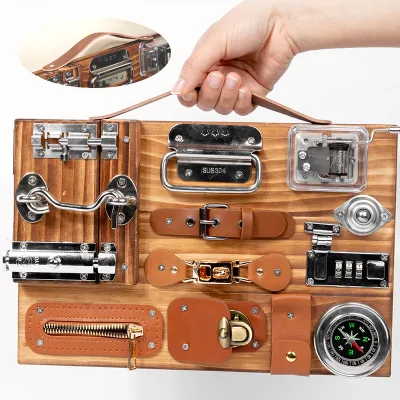
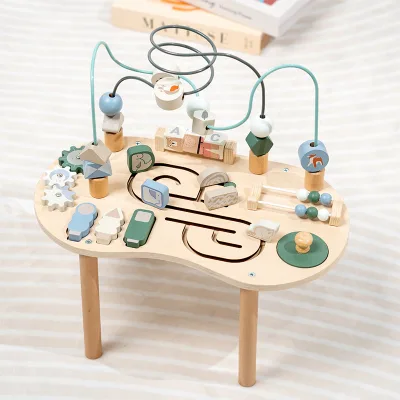


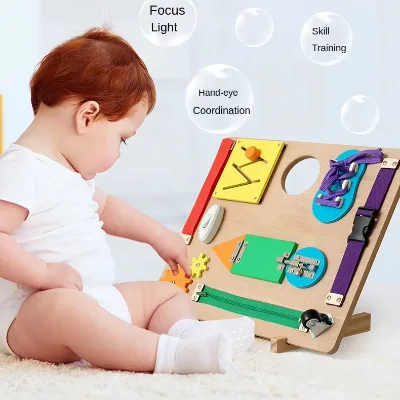
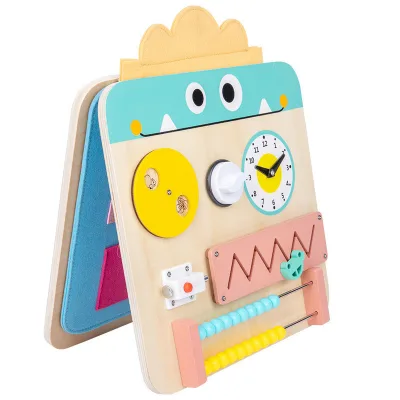
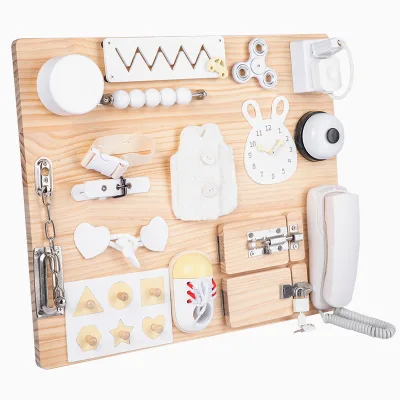


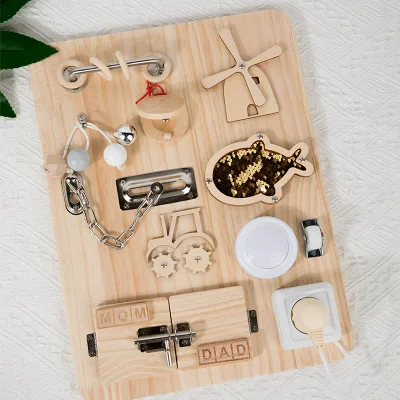
Comprehensive Sourcing Guide
Montessori Wooden Screw Busy Board Sourcing Guide
This guide addresses the specific procurement needs for Montessori-inspired wooden screw busy boards, focusing on educational toys designed to develop fine motor skills and cognitive abilities in young children. The observed market data indicates a diverse range of models, including specific identifiers like YPC-04288 and TH942, which cater to various developmental stages from toddlers under three years old to children aged eight to thirteen. Buyers must navigate a product landscape where materials are consistently noted as wood, ensuring a natural tactile experience essential for the Montessori philosophy.
Sourcing decisions should prioritize products that explicitly list customization availability and OEM/ODM services, as these features allow retailers to tailor the activity boards to specific brand identities or educational curricula. The observed listings reveal that while some units are packaged as single items, others are bulk-packed with quantities reaching 40 pieces per carton, significantly impacting logistics planning. Understanding these variations in packaging and model numbers is critical for aligning inventory with target age groups, particularly given the split between products marked for ages 3+ and those suitable for all ages.
Product Scope and Observed Listing Signals
Buyers must carefully distinguish between different product descriptions, such as "Basic Skills Board," "Busy Board," and "Latches Activity Board," as these terms often denote specific functional configurations within the wooden screw category. The observed data confirms that these items are generally unisex and designed for both boys and girls, yet specific model numbers like TK807 and HP003 may carry distinct feature sets regarding the complexity of the screws or the inclusion of additional educational elements. This variation requires a detailed review of the product description to ensure the selected board matches the intended developmental goals of the target customer base.
The physical attributes of these boards vary significantly, with observed sizes ranging from compact dimensions like 24x24x5cm to larger units measuring 35.5x25x10.5cm, which directly influences shipping costs and shelf space requirements. Weight is another critical signal, with single gross weights observed as low as 1.35kg and others reaching 11kg, necessitating precise calculation of freight charges based on the specific model selected. Procurement teams should verify the "Style" attribute, as some listings specify European and American designs, which may appeal to different regional market preferences regarding aesthetics and educational approach.
Technical Specifications to Verify
Verification of the physical dimensions and weight is paramount, as the observed data shows a wide disparity in single package sizes and gross weights that affects both handling and shipping efficiency. Buyers should confirm the exact size specifications, such as the 30x22.5x3.5cm or 35.5x25x10.5cm measurements, to ensure the product fits within their logistical constraints and retail display requirements. Additionally, the "Qty/CTN" data, which ranges from 10 to 40 pieces per carton, must be cross-referenced with the supplier's packing list to prevent discrepancies in order fulfillment and inventory management.
The material composition is a non-negotiable specification, with all observed listings confirming the use of wood as the primary material, which aligns with the durability and sensory requirements of Montessori toys. However, buyers must verify the specific finish and construction quality, as the "Age Grade" varies from 3+ to under 3 years, implying different safety thresholds for small parts and screw mechanisms. It is essential to confirm that the "prod_standard" and "Testing Standard" fields align with the intended market, ensuring that the wooden components and any metal screws meet the necessary durability and safety expectations for the specific age group.
Compliance and Safety Documentation
Safety compliance is the most critical aspect of sourcing these educational toys, as the observed data explicitly references standards such as EN71-12,3 and ASTM-F963, which are essential for market access in Europe and North America respectively. Buyers must request current test reports that verify the product meets these specific standards, particularly regarding the mechanical safety of the screws and the non-toxic nature of the wood finishes. The presence of certifications like "ASTM Testing Standard" in the listings indicates a baseline of compliance, but independent verification is necessary to ensure the specific batch being ordered adheres to these rigorous safety protocols.
Documentation regarding the "Age" classification must be meticulously reviewed to prevent liability issues, as the listings show products designated for ages under 3, 3+, and 8 to 13 years, each carrying different regulatory implications. For younger children, the risk of choking hazards is higher, requiring strict adherence to small parts testing and secure fastening of all screw components. Procurement teams should ensure that the supplier provides a Declaration of Conformity that explicitly covers the specific model number and age range, confirming that the product has passed the necessary safety assessments for the intended demographic.
Cost Drivers and Commercial Terms
The observed price range of 0.98 to 35 USD highlights significant cost variability driven by factors such as model complexity, packaging density, and the inclusion of customization services. Buyers should analyze the "MOQ" requirements, which range from 1 to 1000 units, to determine the most cost-effective order quantity that balances inventory risk with unit price reductions. Understanding the relationship between the "Selling Units" and the "Qty/CTN" is essential for calculating the true landed cost, as bulk packaging can reduce per-unit shipping expenses but may increase upfront capital requirements.
Commercial terms regarding "Service" options, specifically OEM and ODM availability, introduce additional cost variables that must be factored into the total procurement budget. Customization efforts, such as adding specific branding or altering the screw configurations, will likely increase the unit price and extend the lead time beyond the standard shipping methods like "by Sea." Buyers must negotiate clear terms for these value-added services, ensuring that the cost of customization is transparent and that the supplier can meet the required delivery schedules without compromising the quality of the wooden components.
Supplier Qualification and Quality Control
Supplier qualification should focus on verifying the origin and production capabilities, as the observed data indicates a concentration of manufacturing in Zhejiang, China, a region known for its toy production infrastructure. Buyers must assess the supplier's ability to maintain consistent quality across different model numbers, such as YPC-00988 and TH642, ensuring that the wood grain, screw tightness, and finish quality remain uniform. The availability of "Customization" services suggests a flexible production line, but this flexibility must be balanced with rigorous quality control measures to prevent defects that could arise from frequent design changes.
Quality control protocols must include pre-shipment inspections that specifically target the mechanical integrity of the screw mechanisms and the stability of the wooden board structure. Given the "Features" listed as "Colorful/Safe/Environmental," inspectors should verify that the paints and finishes are non-toxic and that the environmental claims are supported by the material sourcing practices of the supplier. Establishing a clear communication channel for defect reporting and ensuring the supplier has a robust process for handling returns or replacements is vital for maintaining the reputation of the brand in the competitive educational toy market.
Long-Term Procurement Checks
Long-term procurement success depends on establishing a reliable supply chain that can consistently deliver products meeting the specific "prod_standard" and safety requirements over time. Buyers should conduct periodic audits of the supplier's production processes to ensure that the "Material" and "Age Grade" specifications remain consistent, especially as the product line expands to include new models like TK044 or HP003. Regular quality checks are necessary to prevent drift in manufacturing standards, which could lead to safety issues or customer dissatisfaction in the long run.
Strategic planning for future orders should account for the "prod_packing" methods and "prod_origin" logistics, as changes in shipping routes or packaging regulations can impact delivery times and costs. Buyers must maintain a dynamic relationship with the supplier to adapt to market trends, such as the growing demand for "European & American" styles or specific age-focused designs. By monitoring the "Test Results" and "Certification" status of ongoing production batches, procurement teams can ensure that the supply chain remains compliant with evolving international safety standards and regulatory requirements.
FAQs
What materials are used for the busy board?
The busy board is constructed primarily from wood to ensure durability and safety for children. This material choice supports the environmental and safe features highlighted in the product description. It is suitable for various age groups including those aged 3 and up.
Which certifications does the product meet?
The product meets recognized safety standards including EN71-12,3 and ASTM-F963. These certifications ensure the toy is safe for children and comply with international testing requirements. Buyers can verify the ASTM testing standard certification listed in the product specifications.
Can I request customization for this board?
Yes, customization is available for this busy board to meet specific buyer requirements. The supplier offers OEM and ODM services to tailor the product. This allows for unique designs while maintaining the core wooden structure and safety features.
What is the minimum order quantity for this item?
The minimum order quantity is 500 pieces for this specific busy board model. This MOQ applies to the standard packaging and shipping arrangements. Buyers should note that other models may have different quantity requirements based on their specific production needs.
How is the product packaged for shipping?
The product is packed in close boxes and shipped by sea for bulk orders. Each carton contains 40 pieces with a total gross weight of 11 kilograms. The packaging ensures the colorful and safe wooden boards remain protected during transit.
Which age groups can use this educational toy?
This educational toy is designed for multiple age ranges including children aged 3 and up. It is also suitable for children between 8 to 13 years old. The unisex design makes it appropriate for both boys and girls to develop basic skills.
Where is this wooden board manufactured?
The wooden busy board is manufactured in Zhejiang, China. This location is a known hub for toy production and export. The origin ensures access to established supply chains for wooden educational toys.